
Books About Accepting Differences: 10 Stories for Inclusive Kids
Help your child embrace diversity with these powerful picture books and novels that celebrate ability, appearance, and what makes us unique.
By Firefly & Fern
Introduction
As a parent, you know that children absorb the world around them like little sponges—especially through the stories we share with them. Inclusive children's books are one of the most powerful tools we have to help kids celebrate what makes each person beautifully unique.
Whether your child is navigating differences in appearance, ability, or personality, these books about differences will spark conversations, build empathy, and remind young readers that there's no such thing as "too different."
Why Inclusive Books Matter
Reading stories about diverse characters helps children see themselves reflected in literature—and equally important, it helps them see and appreciate others who are different from them. When kids encounter characters with various abilities, backgrounds, and talents on the page, they develop deeper acceptance and curiosity about the real world around them.
Inclusive storytelling also normalizes differences. Instead of treating uniqueness as something unusual or wrong, these diversity picture books show children that differences are simply part of being human.
Starting these conversations early—around ages 3-8—sets a beautiful foundation for lifelong kindness and open-mindedness.
Picture Books for the Youngest Readers (Ages 3-6)
Rosetta's Dress Mess by Laura Driscoll is a delightful choice for younger kids who love stories about creative problem-solving. When Rosetta's fashion plans go awry, she learns that mistakes and differences can actually lead to wonderful discoveries. It's a gentle introduction to the idea that there's no single "right" way to do things.Early Chapter Books That Celebrate Friendship (Ages 6-8)
The Giants and the Joneses by Julia Donaldson brings her signature warmth and imagination to a story about acceptance. When a family of giants discovers humans, both groups must learn past their assumptions to find unexpected friendship. It's a clever, engaging way to explore how accepting differences opens doors to connection.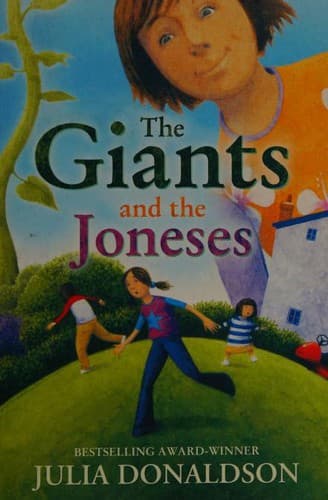
The Giants and the Joneses
Julia Donaldson
Ages 7–11
View on Firefly & Fern →Ivy & Bean Boxed Set
Annie Barrows
Ages 7–10
View on Firefly & Fern →Novels for Confident Readers (Ages 8+)
The BFG by Roald Dahl remains a timeless masterpiece of inclusive storytelling. Sophie's friendship with the Big Friendly Giant—a gentle soul who stands apart from his cruel companions—teaches children that kindness and character matter far more than fitting in. Dahl's whimsical humor makes this celebration of acceptance feel natural and joyful.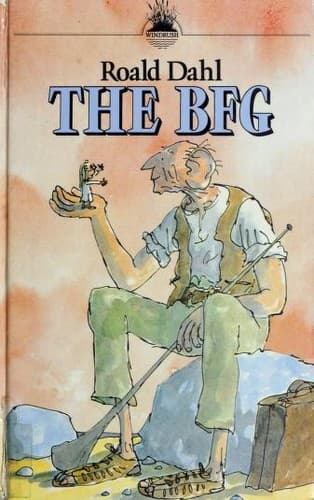
The BFG
Roald Dahl
Ages 8–14
View on Firefly & Fern →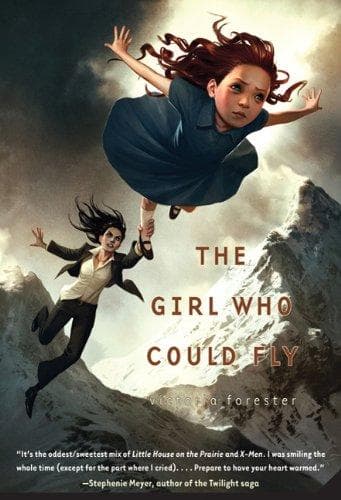
The girl who could fly
Victoria Forester
Ages 9–13
View on Firefly & Fern →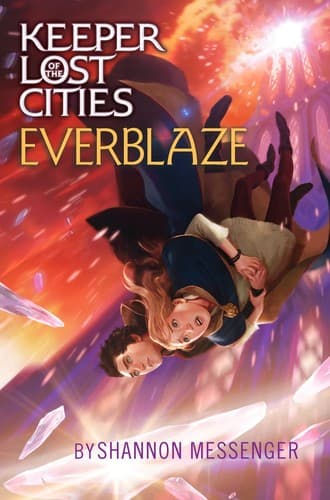
Everblaze
Shannon Messenger
Ages 9–13
View on Firefly & Fern →How to Use These Books with Your Child
Reading is only half the magic—the conversations that follow matter just as much. After finishing a book, ask your child open-ended questions: "What made that character different? How did they feel about it? Would you want to be their friend?"
Let your child lead the discussion. Sometimes they'll connect a character's experience to their own, and that's when real learning happens.
You might also ask your child to draw their favorite character or retell the story in their own words. These activities help them process and internalize the messages about acceptance and celebrating differences.
Building Your Inclusive Library
These ten stories are a wonderful foundation, but the best library is one that reflects your family's values and your child's interests. Mix and match genres, authors, and themes. Rotate books in and out so revisiting old favorites never feels boring.
Most importantly, let your enthusiasm for these stories shine through. When children see us genuinely excited about reading stories that celebrate diversity and acceptance, they internalize the message: these books—and the values they represent—matter.
Final Thought
Every child deserves to see themselves in stories, and every child deserves to read about characters who are different from them. That's how we raise empathetic, curious, kind humans—one page at a time.
Looking for more books for this age group?
Browse books for ages 3-8